🌐 Virtual Design Studios: The Future of Creative Collaboration
The design world is going virtual, and it's not just another Zoom meeting. Discover how leading companies are building persistent virtual design studios that are revolutionizing creative collaboration.
The water cooler chat just got a major upgrade. Instead of awkwardly waiting for your coffee to brew while making small talk about the weather, designers at Epic Games are hanging out in photorealistic 3D spaces, sketching ideas on infinite virtual whiteboards, and collaborating in ways that make traditional remote work feel like sending morse code.
Welcome to the world of virtual design studios, where the metaverse isn't just a buzzword - it's where tomorrow's most innovative products are being crafted today.
The Virtual Studio Revolution
Let's address the elephant in the virtual room: remote design work has exploded. With 764 active remote design positions and a whopping 131% week-over-week growth, it's clear that distributed creative teams are here to stay. But here's the plot twist: basic video calls and shared Figma files aren't cutting it anymore.
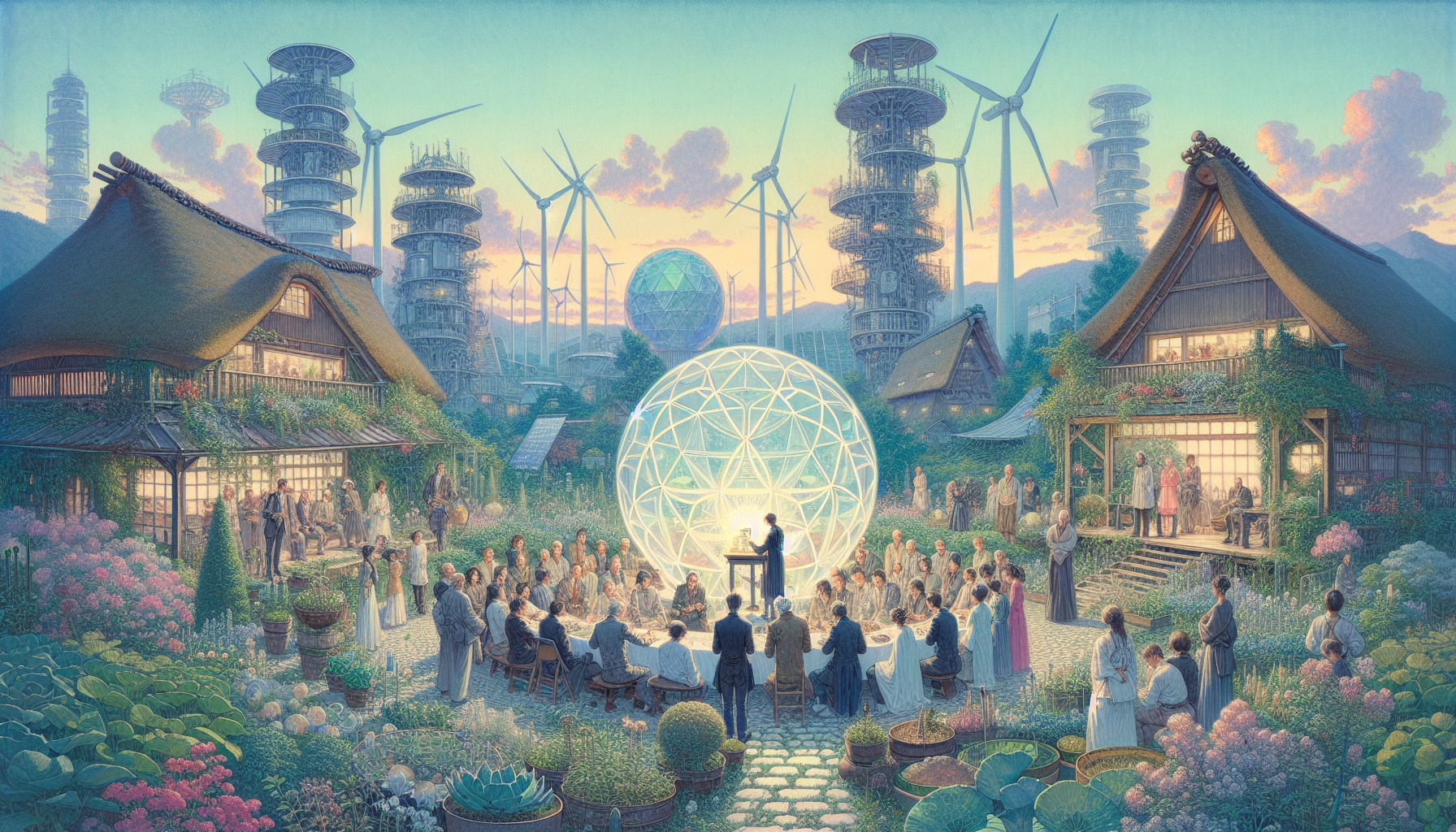
Enter virtual design studios - persistent 3D workspaces where designers can collaborate, iterate, and create in ways that feel surprisingly... natural. Imagine walking up to a virtual wall covered in mood boards, grabbing a digital pen, and sketching directly onto a 3D prototype while your teammate from Tokyo watches in real-time.
How Top Companies Are Going Virtual
Spoiler alert: the biggest names in tech are all in on this trend. Epic Games is leading the charge, using their own Unreal Engine to build immersive design environments where teams can prototype games and experiences in shared virtual spaces.
Coinbase's design team has created what they call 'crypto-native workspaces' - virtual studios where designers can visualize blockchain data and user flows in three dimensions. And Stripe's designers are experimenting with spatial interfaces that let them manipulate payment flows like holographic sculptures.
The Tools Powering Virtual Studios
The tech stack for virtual design studios looks nothing like your 2023 setup. Here's what's actually working:
Spline and Jitter have evolved from simple 3D design tools into full-fledged collaborative environments. Figma (post-failed Adobe acquisition) hasn't been sleeping either - their new spatial collaboration features are basically Google Docs meets The Matrix.
But the real game-changer? AI-powered tools like Midjourney and Adobe Firefly are now integrated directly into these virtual spaces, generating assets and variations in real-time as designers discuss ideas.
The Real Impact on Design Work
Here's where it gets interesting. According to recent data from leading design teams:
- Design feedback cycles have been cut by 60% when teams use virtual studios
- Teams report higher satisfaction with creative collaboration
- The average salary range for designers skilled in virtual spaces is trending higher ($98k - $146k)
Grammarly's design team shared that their shift to virtual studios led to a 40% increase in successful design iterations. Plot twist: they actually completed fewer revisions overall, but each one was more meaningful.
Challenges and Growing Pains
Let's keep it real - virtual design studios aren't all rainbow gradients and perfect bezier curves. Teams are facing some legitimate hurdles:
Hardware requirements can be hefty. Not everyone has a VR-ready setup at home. And yes, some designers still get motion sick in virtual environments (though much less than before, thanks to improved frame rates and reduced latency).
The Future is (Actually) Here
Remember when we thought Zoom backgrounds were cutting edge? Cute. Today's virtual design studios are what science fiction promised us, minus the dystopian undertones (mostly).
Companies like Gusto are already running their entire design operations in virtual spaces, reporting higher team engagement and faster product development cycles. Their head of design recently shared: 'It's not about replicating physical offices - it's about creating something better.'
Getting Started with Virtual Studios
Ready to dip your toes in the virtual waters? Here's your non-overwhelming game plan:
- Start with accessible tools: Spline for 3D design, Figma's spatial features
- Experiment with virtual whiteboarding in tools like Miro's new VR mode
- Join design communities already working in virtual spaces (Awwwards has a great one)
The Bottom Line
Virtual design studios aren't just another tech trend - they're fundamentally changing how creative teams work together. With the right tools and mindset, they're making remote design work more collaborative, efficient, and dare we say it... fun.
Ready to join the virtual studio revolution? Browse Remote UX/UI Design Jobs or check out Product Design opportunities at companies building the future of creative collaboration.
Want to explore all your options? See our complete list of remote design positions - many of which now include virtual studio environments.